The Evolution of the Classical Guitar: From Ancient Strings to Modern Sound
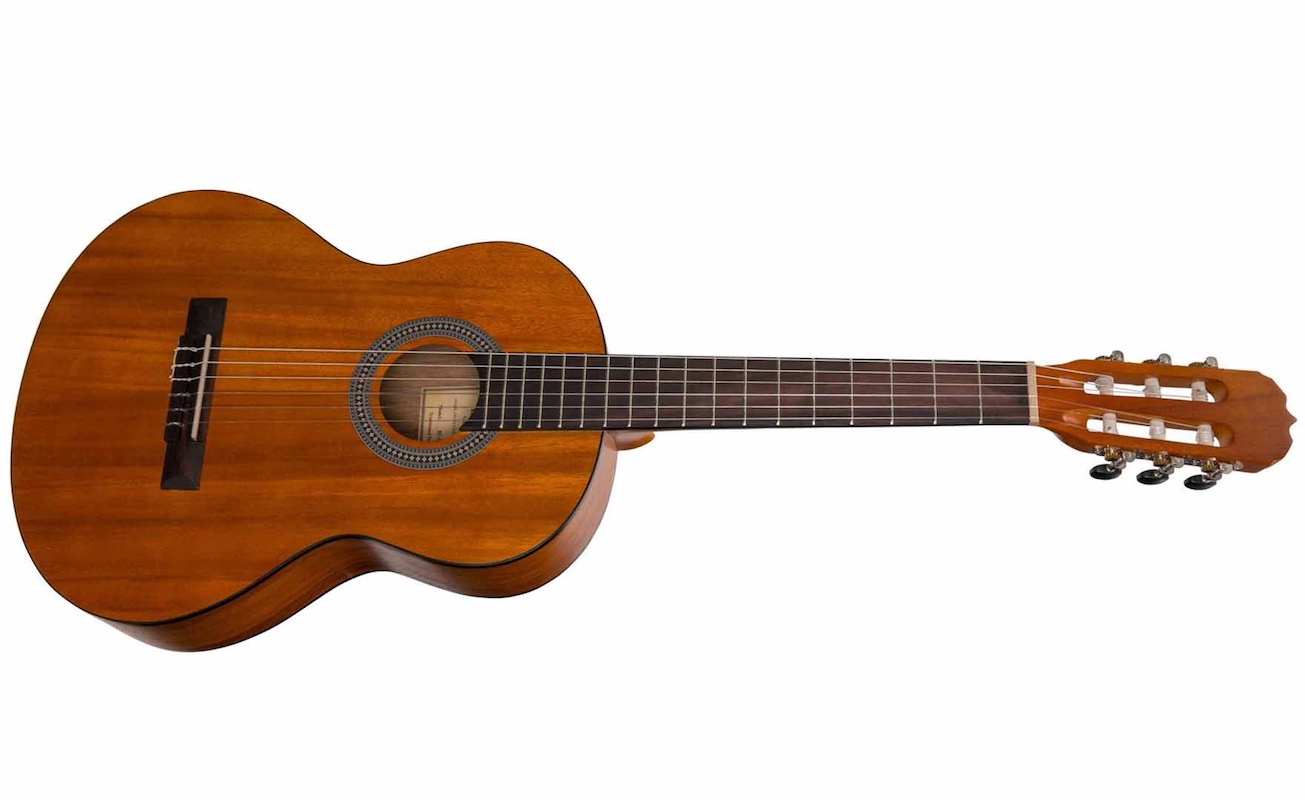
The gentle strum of nylon strings, the rich resonance of a finely crafted soundboard – the classical guitar's voice is one that has echoed through centuries, captivating hearts and inspiring composers. But this elegant instrument, so familiar to us today, boasts a fascinating lineage, a journey from humble beginnings to its current revered status. Join us as we trace the evolution of the classical guitar, from its ancient ancestors to the sophisticated instrument we know and love.
Our story begins far before the name "classical guitar" even existed. Imagine the earliest stringed instruments – simple bows perhaps, or rudimentary harps. These evolved over millennia, giving rise to various plucked instruments across different cultures. In the Mediterranean region, the ancient Greek kithara and the Roman cithara were significant forerunners, instruments associated with music, poetry, and even divine figures. These instruments, often depicted in ancient art, featured a soundbox and strings stretched over a frame.
As we move through the medieval period, the influence of the Arabic oud becomes undeniable. Introduced to the Iberian Peninsula during the Moorish rule, the oud, with its fretless neck and pear-shaped body, profoundly impacted the development of European stringed instruments. In Spain, the oud gradually transformed, giving rise to the vihuela.
The vihuela, flourishing in the 15th and 16th centuries, is a direct ancestor of the guitar. Often shaped like a figure-eight, it featured six courses (pairs of strings) and was a highly versatile instrument, used for both solo playing and accompanying vocals. Composers of the Spanish Renaissance and early Baroque periods, such as Luis de Milán and Luis de Narváez, left behind a rich repertoire of vihuela music, much of which is still performed on the classical guitar today.
The Baroque era witnessed a further refinement. The five-course guitar gained popularity, and while the vihuela eventually faded, its influence remained strong. Composers like Gaspar Sanz and Francesco Corbetta penned intricate and expressive pieces for this instrument, showcasing its growing melodic and harmonic capabilities.
The true transformation into the modern classical guitar began in the 19th century, largely thanks to the innovations of the Spanish luthier Antonio de Torres Jurado. Torres standardized the size and shape of the guitar body, increased its dimensions, and refined the internal bracing system. These changes dramatically increased the instrument's volume, projection, and tonal richness, laying the foundation for the instrument we recognize today. His designs are still highly influential and serve as the blueprint for most modern classical guitars.
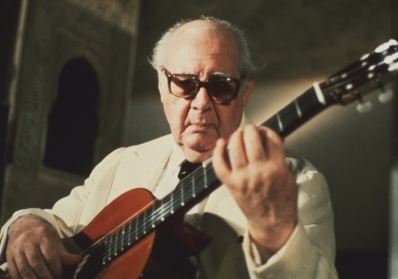
The 19th and 20th centuries also saw the rise of virtuoso performers and composers who championed the newly evolved instrument. Figures like Francisco Tárrega, Isaac Albéniz, and Andrés Segovia elevated the classical guitar to the concert stage, demonstrating its expressive potential and inspiring a new generation of musicians and composers. Their contributions expanded the repertoire and solidified the classical guitar's place in the world of serious music.
Today, the classical guitar continues to evolve, with luthiers experimenting with new materials and construction techniques while respecting the fundamental principles established by Torres. Composers continue to explore the instrument's diverse sonic possibilities, pushing its boundaries in contemporary music.
From its ancient stringed predecessors to the sophisticated instrument gracing concert halls worldwide, the journey of the classical guitar is a testament to human ingenuity and the enduring power of music. It's a story etched in wood and resonated through strings, a story that continues to unfold with each note played.
Thank you for exploring this evolution with me. May the timeless voice of the classical guitar continue to inspire us all.
Latest Articles



Latest Updates in Online Courses and Education.
Welcome back to ClassicalGuitarist.info! Today, I thought I'd offer you a more personal glimpse into the daily life of a...
Read MoreWhile the solo classical guitar holds a unique and cherished position, the magic that unfolds when multiple guitars intertwine is...
Read MoreTechnical mastery is the foundation upon which a compelling musical performance is built. Yet, it is the art of interpretation...
Read MoreThe classical guitar repertoire is a treasure trove of beautiful and challenging music, with familiar names like Tárrega, Sor, and...
Read MoreFrom the sun-drenched landscapes of Spanish dramas to the intimate moments of character introspection, the delicate and expressive voice of...
Read MoreThe quest for the perfect classical guitar is a deeply personal journey. The instrument you choose can significantly impact your...
Read MoreThe name Andrés Segovia resonates with a profound significance in the world of classical guitar. More than just a virtuoso...
Read MoreThe resonant beauty of the classical guitar finds its ultimate expression within the walls of a great concert hall. These...
Read MoreExploring the Ancient World: Bible History & Archaeology
Uncover the people, places, and events that shaped biblical and ancient history.
Dive into a rich collection of resources on ancient civilizations, biblical archaeology, and historical contexts. From the empires of Babylon and Assyria to the life of Jesus and the early church, discover maps, timelines, commentaries, and scholarly insights that bring the ancient world to life. Explore the intersection of faith, history, and archaeology with our curated articles, maps, and studies.