Andrés Segovia: The Father of Modern Classical Guitar
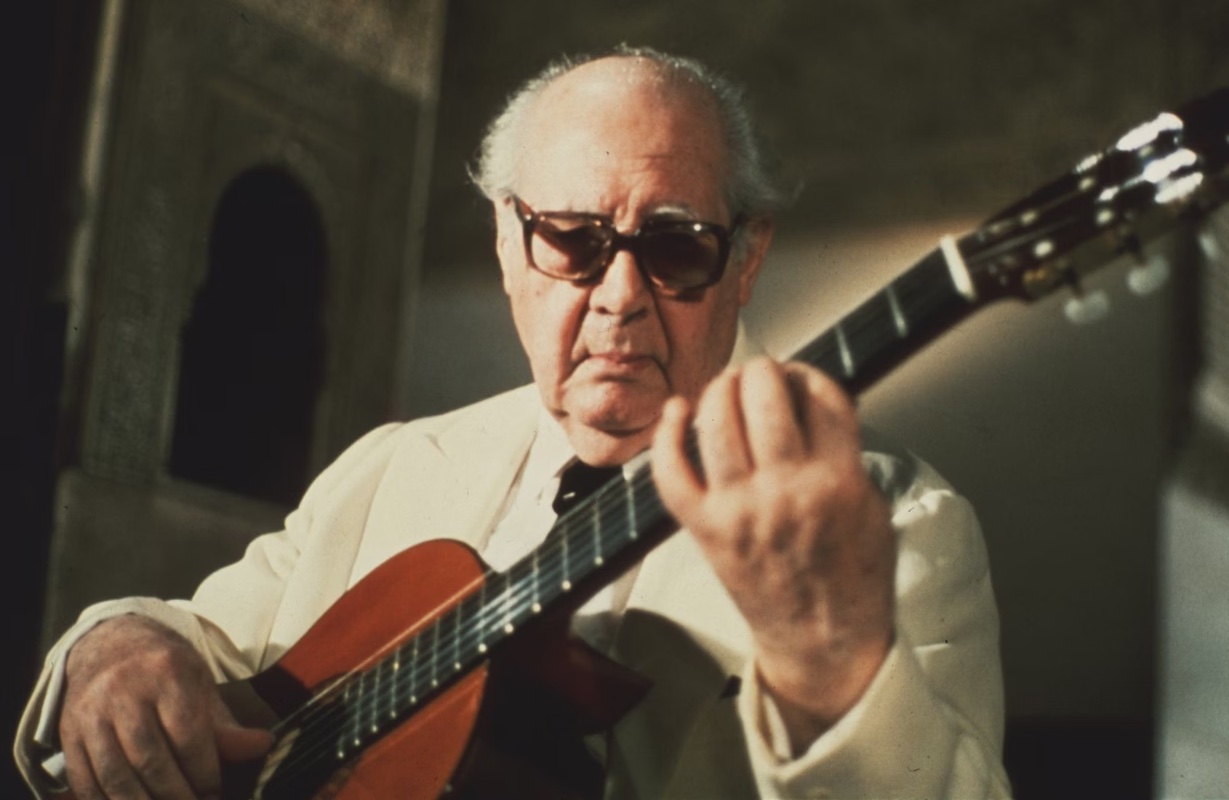
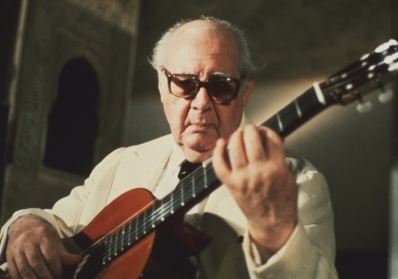
The name Andrés Segovia resonates with a profound significance in the world of classical guitar. More than just a virtuoso performer, Segovia (1893-1987) was a tireless advocate, a charismatic ambassador, and a transformative force who single-handedly propelled the classical guitar from the intimate salons to the grand concert halls of the world. To call him the "father of modern classical guitar" is not hyperbole; it is a recognition of his monumental contributions that continue to shape the instrument's landscape today.
Born in Linares, Spain, Segovia's early encounters with the guitar were largely self-taught. Frustrated by the limitations and the prevailing perception of the instrument as a purely folk or popular pastime, he embarked on a lifelong mission to elevate its status to that of other esteemed classical instruments like the piano and violin. This wasn't merely about personal ambition; it was a deep-seated belief in the guitar's expressive potential and its rightful place in the realm of serious music.
One of Segovia's most crucial contributions was his relentless touring. In an era when the classical guitar was rarely heard on major concert stages, he bravely ventured into prestigious venues worldwide, captivating audiences with his artistry and demonstrating the instrument's profound capabilities. His Carnegie Hall debut in 1928 is often cited as a pivotal moment, marking the beginning of the classical guitar's widespread acceptance in the United States. Through his consistent performances in major musical centers, Segovia gradually dismantled the prevailing prejudices and opened doors for future generations of guitarists.
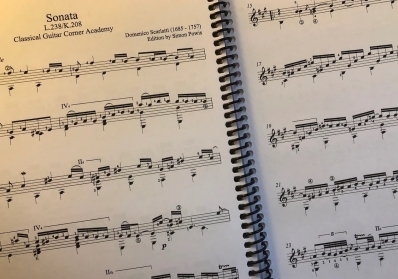
Beyond performing, Segovia was instrumental in expanding the guitar's repertoire. Recognizing the scarcity of original classical works for the instrument, he tirelessly transcribed pieces originally written for the lute, harpsichord, piano, and even violin. His insightful transcriptions not only provided a wealth of new material but also showcased the guitar's versatility and its ability to convey complex musical ideas. These transcriptions, often bearing his personal touch and interpretive genius, remain staples of the classical guitar repertoire.
Furthermore, Segovia actively commissioned new works from prominent composers of his time, including Manuel de Falla, Heitor Villa-Lobos, and Joaquín Rodrigo. His influence inspired these composers to explore the unique sonic possibilities of the guitar, resulting in iconic pieces that continue to be celebrated and performed. Rodrigo's Concierto de Aranjuez, perhaps the most famous guitar concerto ever written, owes its existence in part to Segovia's encouragement and collaboration.
Segovia's impact extended to the realm of technique as well. While not strictly a revolutionary in terms of fundamental technique, his approach emphasized a beautiful tone, expressive phrasing, and a profound musicality. He championed the use of fingernails for a brighter and more projecting sound, a practice that became standard for classical guitarists. His recordings, spanning decades, serve as invaluable lessons in musical interpretation and technical mastery.
More than just a performer and transcriber, Segovia was a charismatic figure who exuded passion and conviction. His unwavering belief in the classical guitar's artistic merit was infectious, inspiring countless individuals to take up the instrument and pursue it with serious dedication. He taught masterclasses and mentored young guitarists, passing on his knowledge and fostering a new generation of talent.
Andrés Segovia's legacy is immeasurable. He single-handedly elevated the classical guitar to the international concert stage, expanded its repertoire through transcriptions and commissions, and inspired a global movement of players and enthusiasts. His artistic vision, unwavering dedication, and charismatic presence transformed the perception of the instrument forever. For this, he rightfully earns the title: the father of modern classical guitar. Every note played on a classical guitar today echoes his profound influence.
Latest Articles


Latest Updates in Online Courses and Education.
Welcome back to ClassicalGuitarist.info! Today, I thought I'd offer you a more personal glimpse into the daily life of a...
Read MoreWhile the solo classical guitar holds a unique and cherished position, the magic that unfolds when multiple guitars intertwine is...
Read MoreTechnical mastery is the foundation upon which a compelling musical performance is built. Yet, it is the art of interpretation...
Read MoreThe classical guitar repertoire is a treasure trove of beautiful and challenging music, with familiar names like Tárrega, Sor, and...
Read MoreFrom the sun-drenched landscapes of Spanish dramas to the intimate moments of character introspection, the delicate and expressive voice of...
Read MoreThe quest for the perfect classical guitar is a deeply personal journey. The instrument you choose can significantly impact your...
Read MoreThe resonant beauty of the classical guitar finds its ultimate expression within the walls of a great concert hall. These...
Read MoreThe world of classical guitar is rich with talent, a lineage of masterful musicians who have shaped the instrument's voice...
Read MoreExploring the Ancient World: Bible History & Archaeology
Uncover the people, places, and events that shaped biblical and ancient history.
Dive into a rich collection of resources on ancient civilizations, biblical archaeology, and historical contexts. From the empires of Babylon and Assyria to the life of Jesus and the early church, discover maps, timelines, commentaries, and scholarly insights that bring the ancient world to life. Explore the intersection of faith, history, and archaeology with our curated articles, maps, and studies.