The Art of Interpretation: Breathing Life Into Classical Guitar Pieces
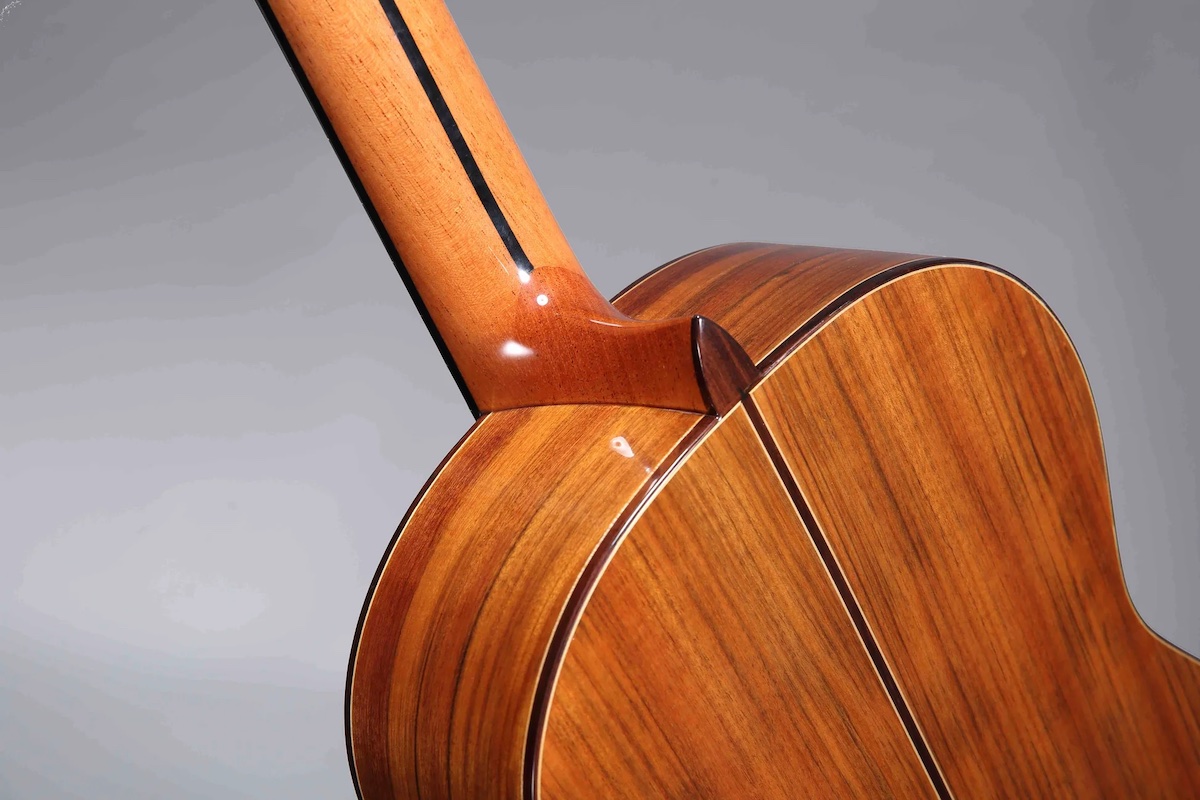
Technical mastery is the foundation upon which a compelling musical performance is built. Yet, it is the art of interpretation that truly elevates notes on a page into a living, breathing expression. For classical guitarists, the journey from accurately playing the score to imbuing it with personal meaning and emotional depth is a continuous and deeply rewarding one. Interpretation is where the performer's unique voice meets the composer's intentions, creating a dialogue that resonates with the listener.
Beyond the Notes: Understanding the Composer's Intent:
The first step in the art of interpretation lies in a deep engagement with the score. This goes beyond simply reading the notes, rhythms, and dynamics. It involves researching the composer, the historical context in which the piece was written, and the stylistic conventions of the era. Understanding the composer's likely intentions – their emotional landscape, their musical influences, and the performance practices of their time – provides a crucial framework for interpretation.
- Historical Context: Was the piece written for a specific occasion? What were the prevailing musical tastes? Understanding these aspects can inform choices regarding tempo, articulation, and ornamentation.
- Composer's Life and Influences: Exploring the composer's biography and their other works can offer insights into their personal style and recurring musical themes.
- Analysis of the Score: A thorough analysis of the harmony, melody, rhythm, and form reveals the structural and emotional architecture of the piece, guiding interpretive decisions.
Finding Your Voice: Personal Connection and Expression:
While respecting the composer's intentions is paramount, interpretation also involves bringing your own unique perspective and emotional understanding to the music. Your personal experiences, your musical sensibilities, and your individual connection to the piece will inevitably shape your performance. This is where the "art" truly comes into play.
- Emotional Resonance: What emotions does the music evoke in you? Allowing yourself to feel the emotional core of the piece will translate into a more genuine and compelling performance.
- Phrasing and Breathing: Just as a speaker breathes to shape sentences and convey meaning, a musician uses phrasing to create musical sentences. Understanding the natural flow and direction of the melodic lines and allowing them to "breathe" is crucial for expressive playing.
- Dynamics and Articulation: Nuances in dynamics (loudness and softness) and articulation (the way notes are attacked and connected) are essential tools for shaping the musical narrative and highlighting expressive moments.
The Subtle Art of Rubato and Tempo:
Tempo, the speed of the music, is a fundamental element of interpretation. While the score may provide a general indication (e.g., Allegro, Andante), the performer has the freedom to subtly vary the tempo for expressive purposes. Rubato, the slight pushing and pulling of the tempo, can create a sense of flexibility and emotional intensity, but it must be used judiciously and with musical sensitivity.
Ornamentation and Embellishment:
In certain historical periods, particularly the Baroque and early Classical eras, ornamentation played a significant role in performance. Understanding the conventions of ornamentation and tastefully adding embellishments can bring a piece to life and demonstrate an understanding of historical performance practices. However, ornamentation should always serve the music and never sound gratuitous.
The Dialogue with the Instrument and the Space:
The classical guitar itself, with its unique tonal qualities and responsiveness, becomes a partner in the interpretive process. Understanding your instrument's strengths and limitations and how it responds to your touch is crucial. Furthermore, the acoustics of the performance space can influence your interpretive choices, affecting resonance and projection.
The Ongoing Journey:
Interpretation is not a fixed destination but an ongoing journey of discovery and refinement. With each performance, a piece can reveal new layers of meaning and emotional depth. Listening to recordings by other artists can offer inspiration, but ultimately, the most compelling interpretations are those that are deeply personal and authentically felt.
Breathing Life:
Ultimately, the art of interpretation is about breathing life into the written notes. It's about connecting with the composer's spirit, understanding the historical context, and allowing your own emotional voice to resonate through the instrument. When technique and interpretation intertwine, the classical guitar becomes a powerful vessel for human expression, captivating hearts and minds with its timeless beauty.
Latest Articles




Latest Updates in Online Courses and Education.
Welcome back to ClassicalGuitarist.info! Today, I thought I'd offer you a more personal glimpse into the daily life of a...
Read MoreWhile the solo classical guitar holds a unique and cherished position, the magic that unfolds when multiple guitars intertwine is...
Read MoreThe classical guitar repertoire is a treasure trove of beautiful and challenging music, with familiar names like Tárrega, Sor, and...
Read MoreFrom the sun-drenched landscapes of Spanish dramas to the intimate moments of character introspection, the delicate and expressive voice of...
Read MoreThe quest for the perfect classical guitar is a deeply personal journey. The instrument you choose can significantly impact your...
Read MoreThe name Andrés Segovia resonates with a profound significance in the world of classical guitar. More than just a virtuoso...
Read MoreThe resonant beauty of the classical guitar finds its ultimate expression within the walls of a great concert hall. These...
Read MoreThe world of classical guitar is rich with talent, a lineage of masterful musicians who have shaped the instrument's voice...
Read MoreExploring the Ancient World: Bible History & Archaeology
Uncover the people, places, and events that shaped biblical and ancient history.
Dive into a rich collection of resources on ancient civilizations, biblical archaeology, and historical contexts. From the empires of Babylon and Assyria to the life of Jesus and the early church, discover maps, timelines, commentaries, and scholarly insights that bring the ancient world to life. Explore the intersection of faith, history, and archaeology with our curated articles, maps, and studies.